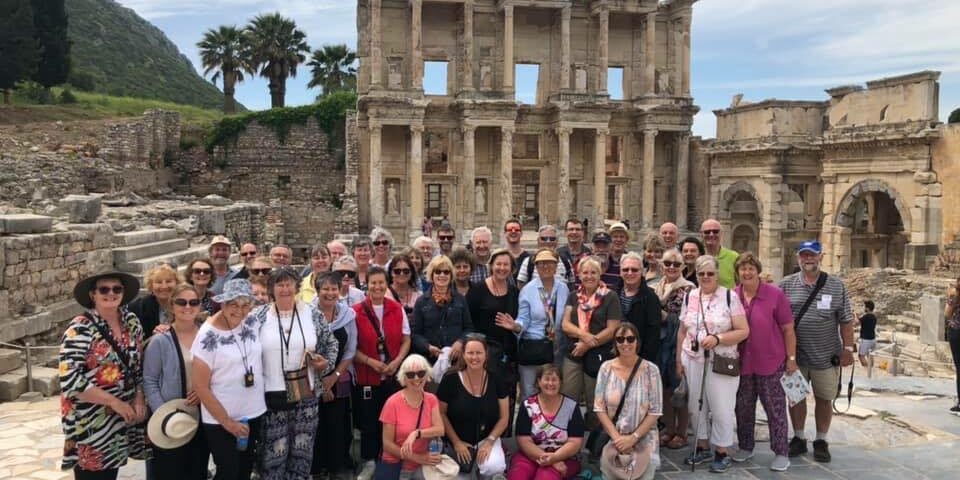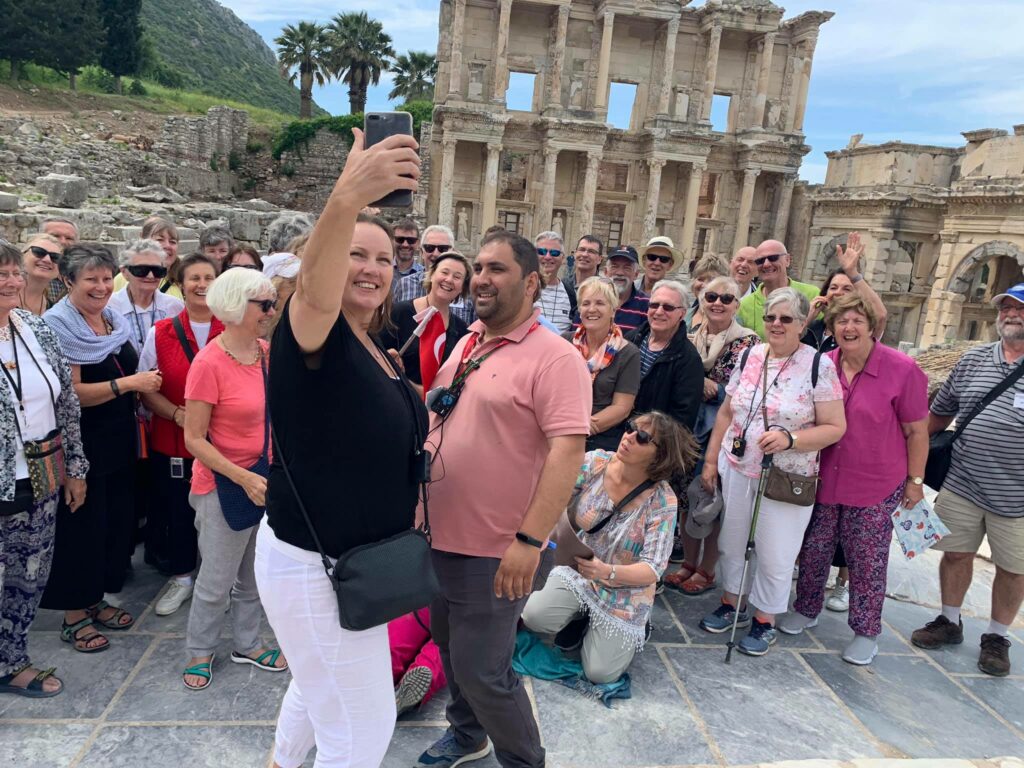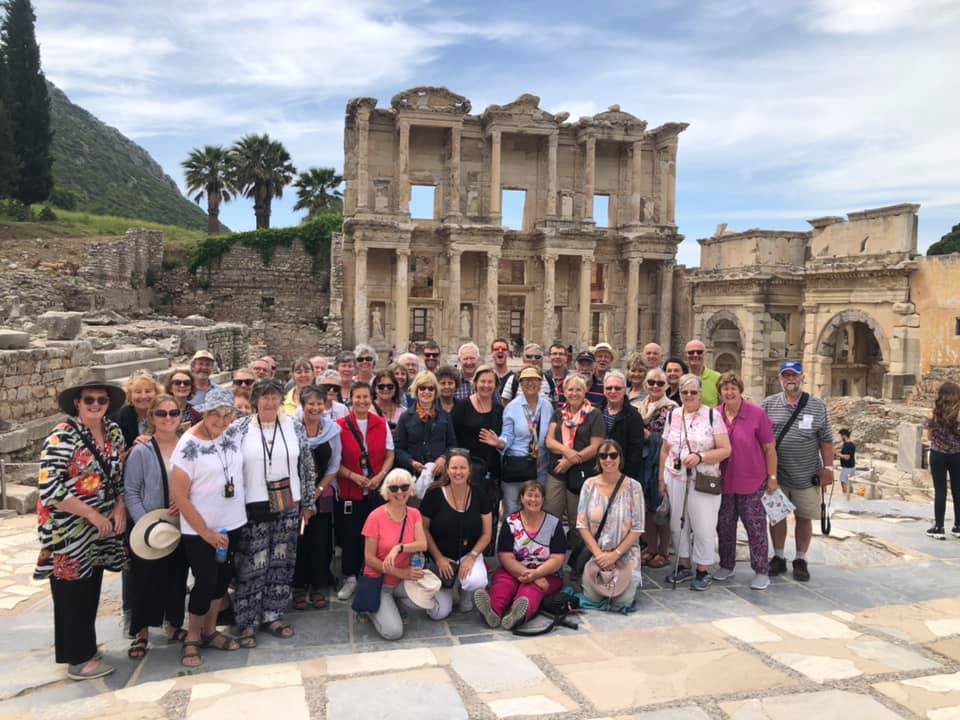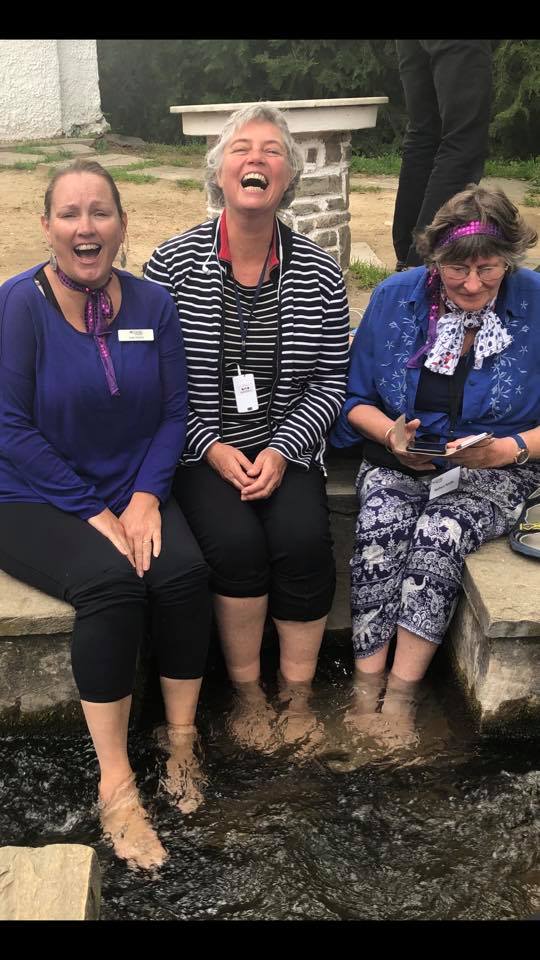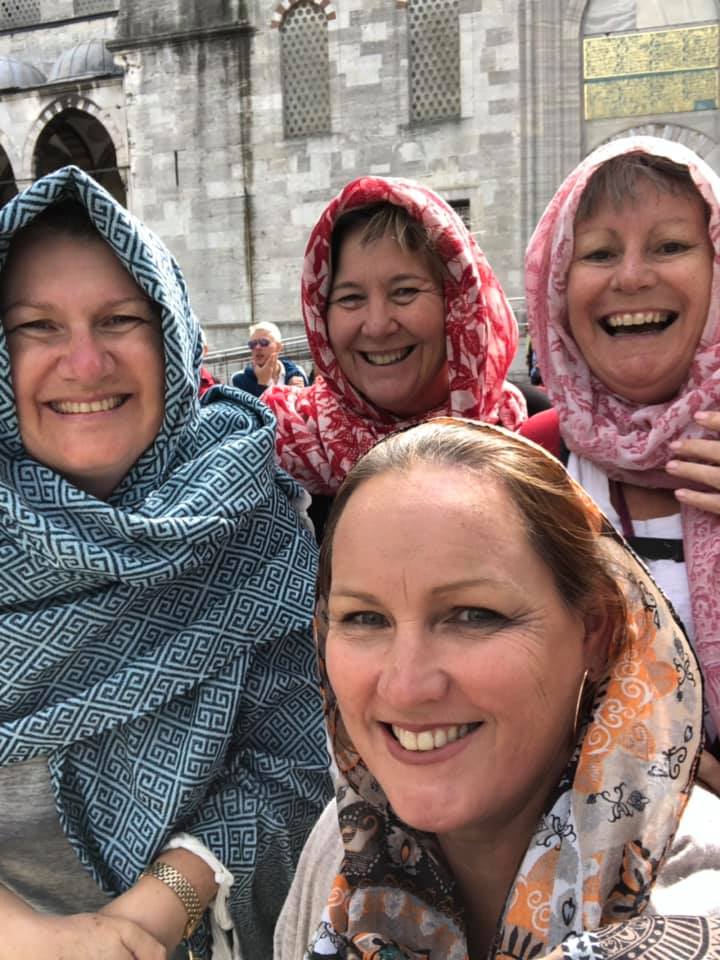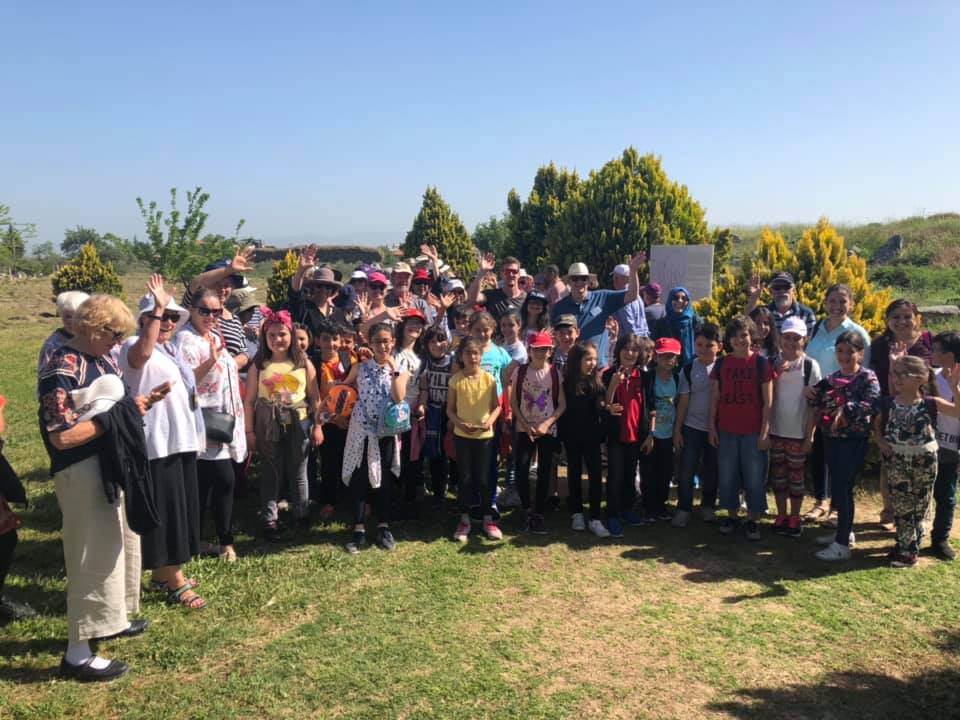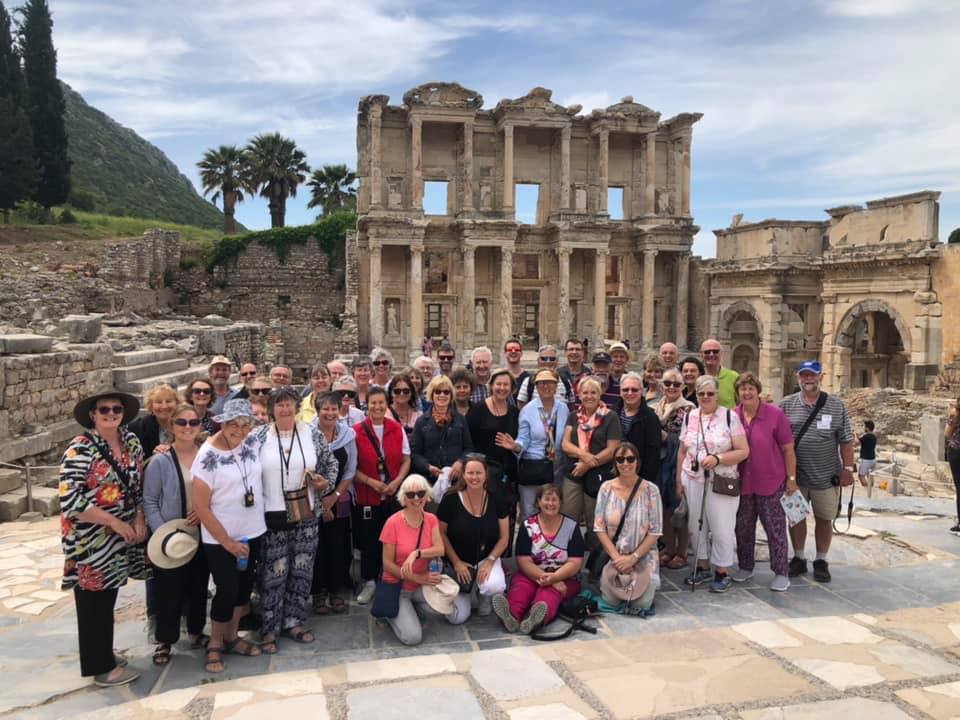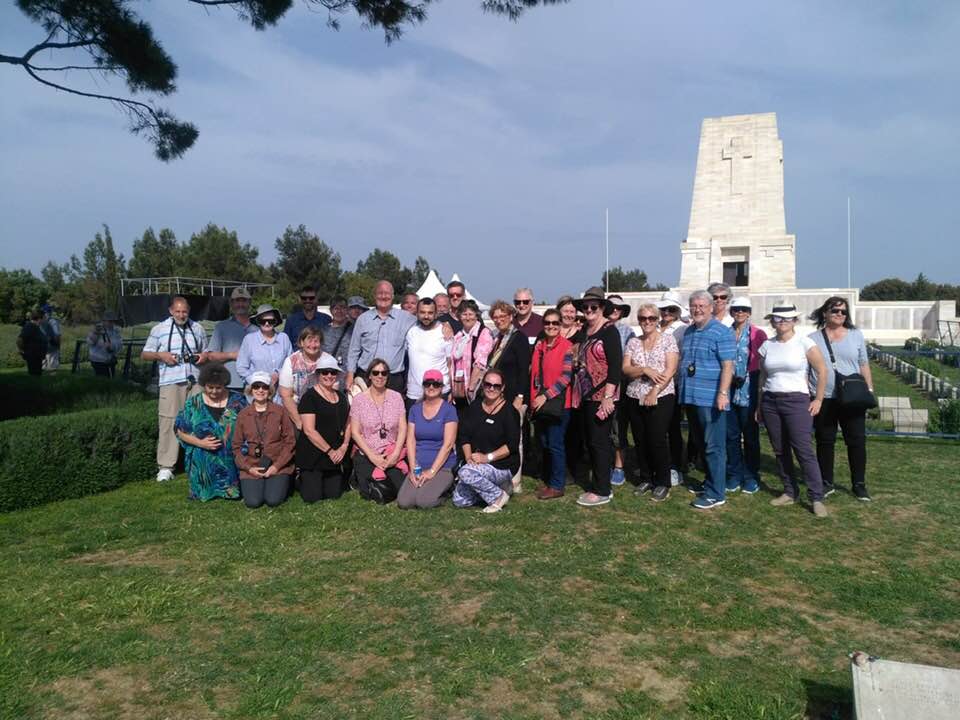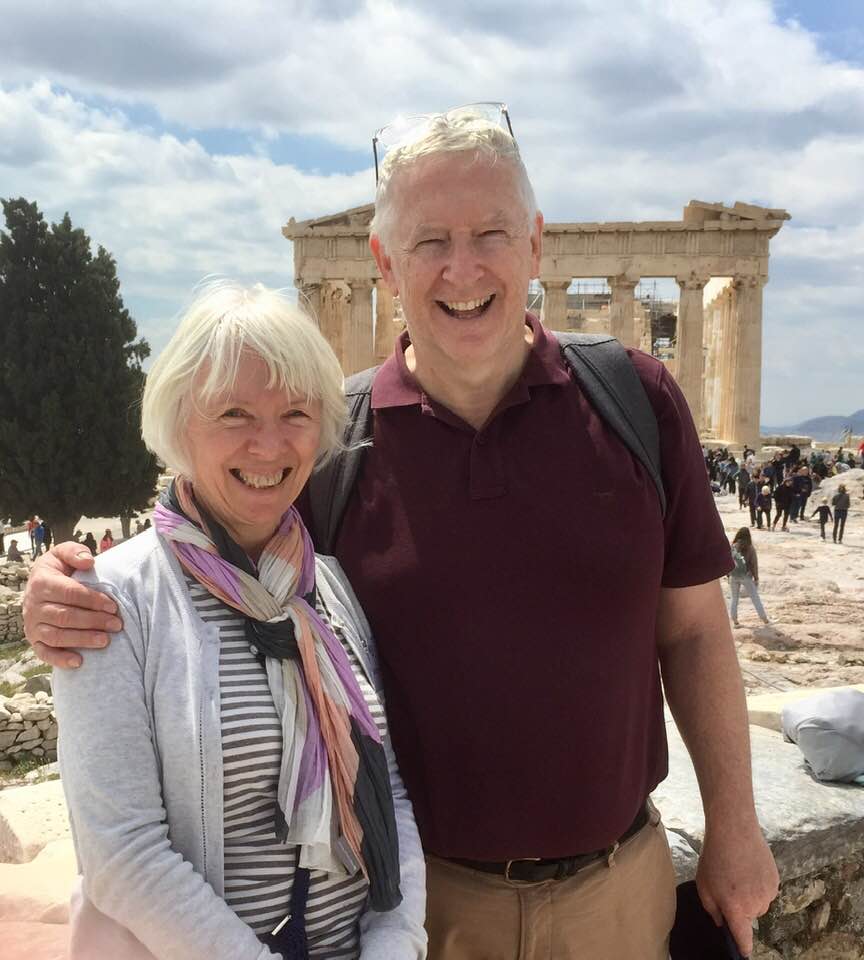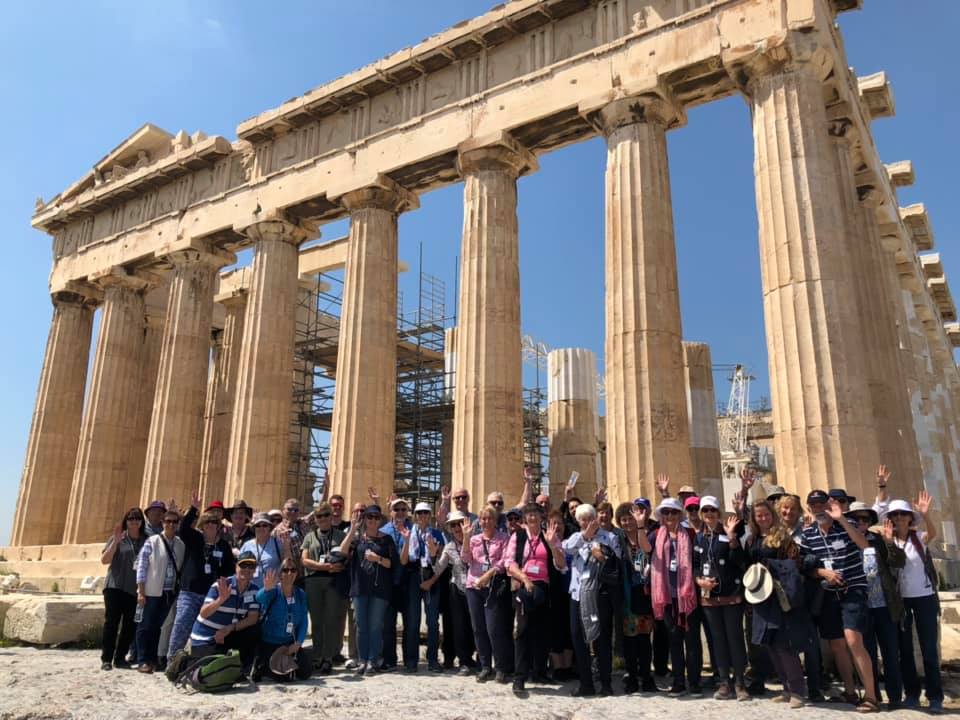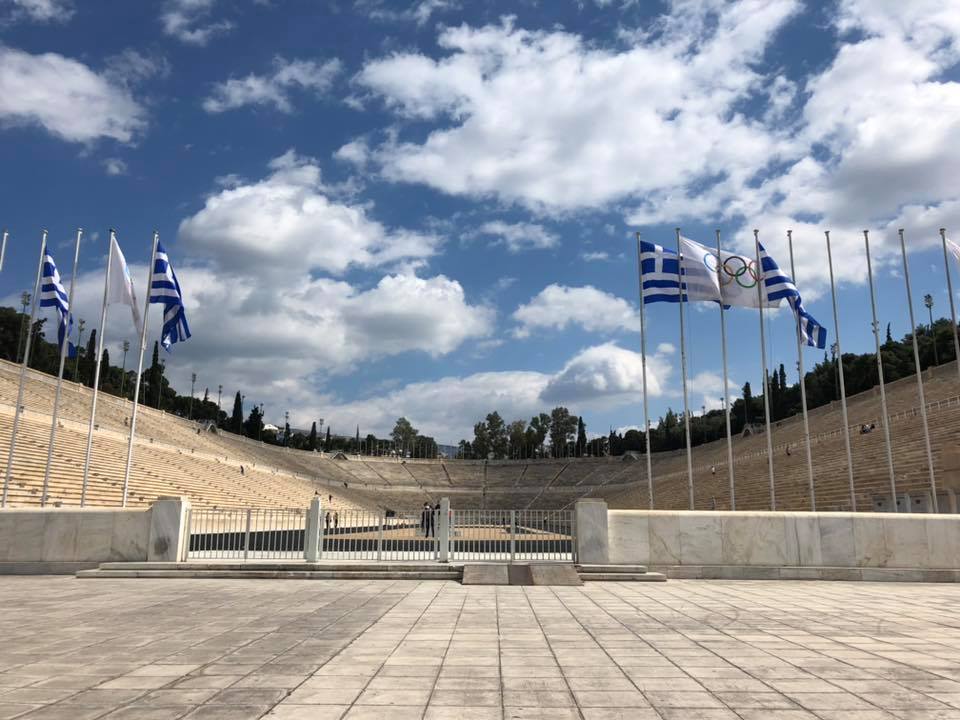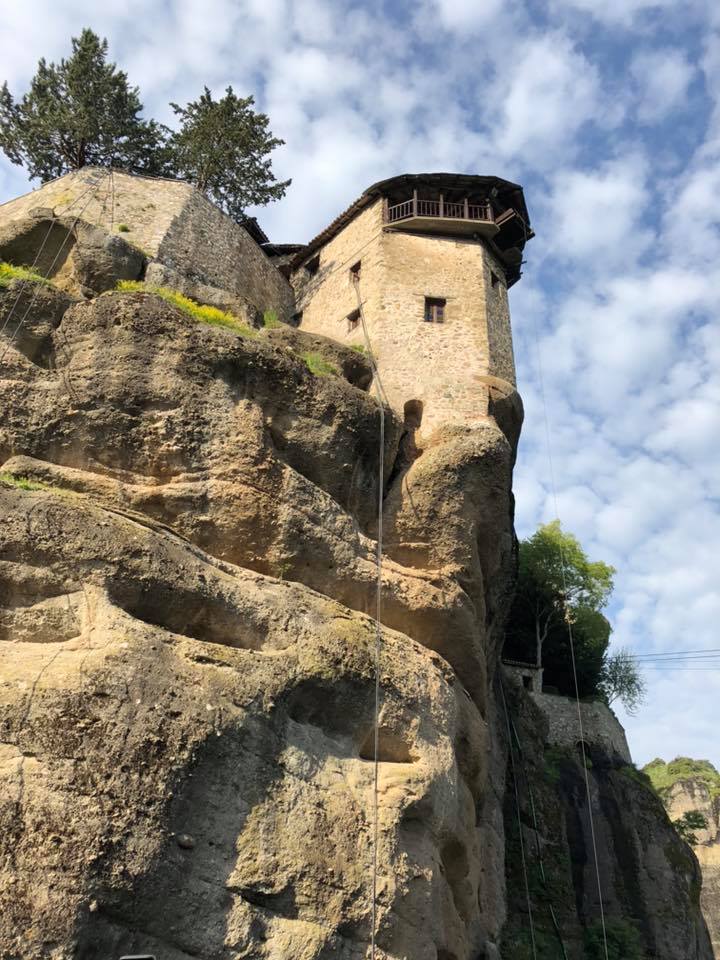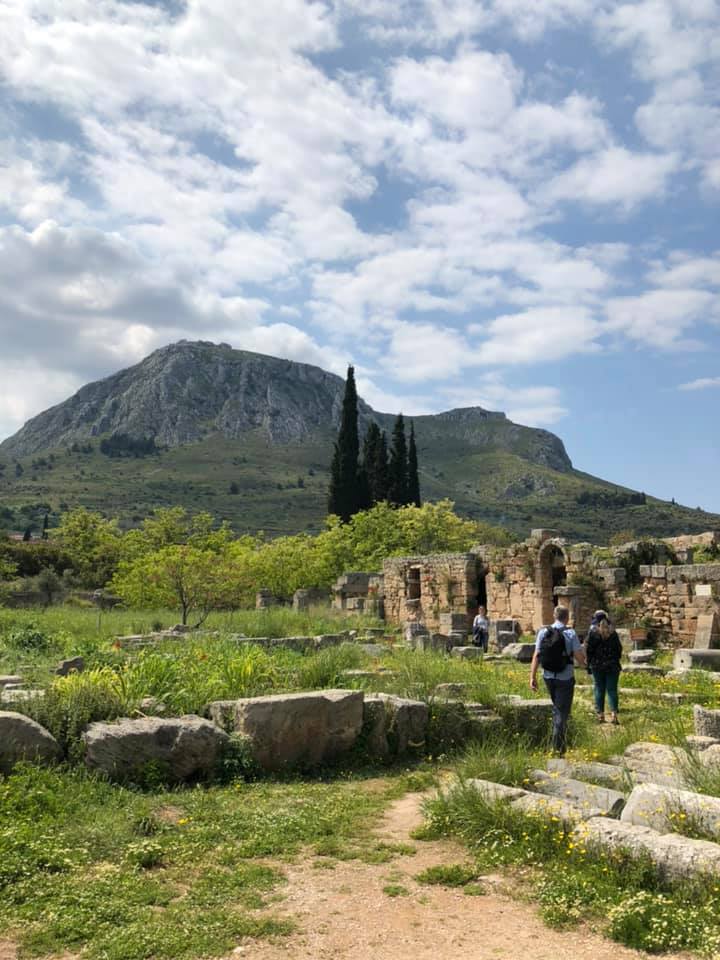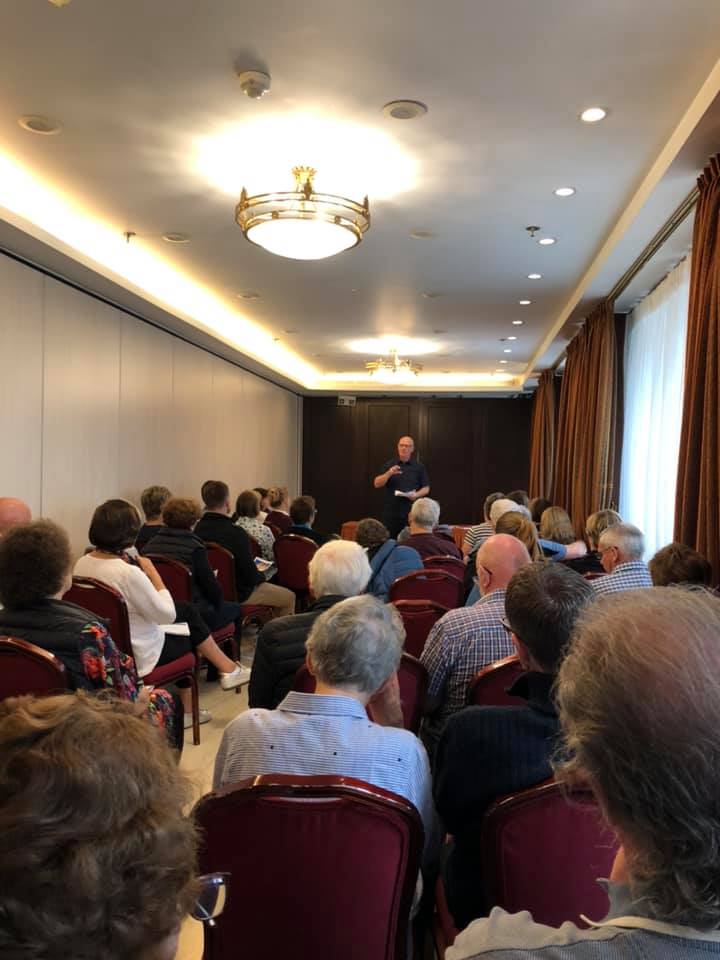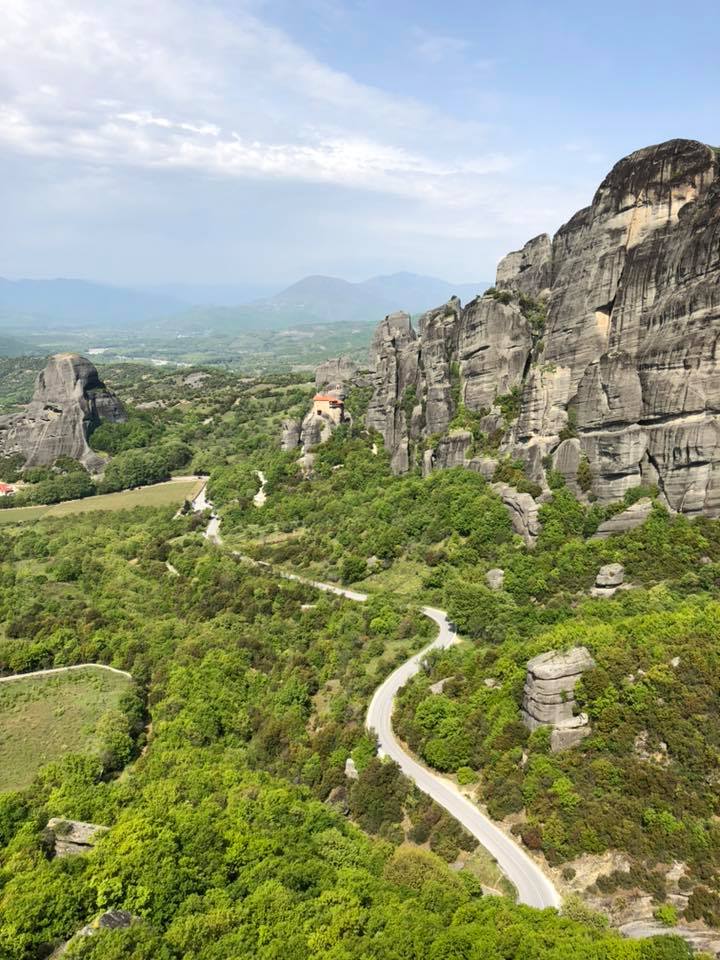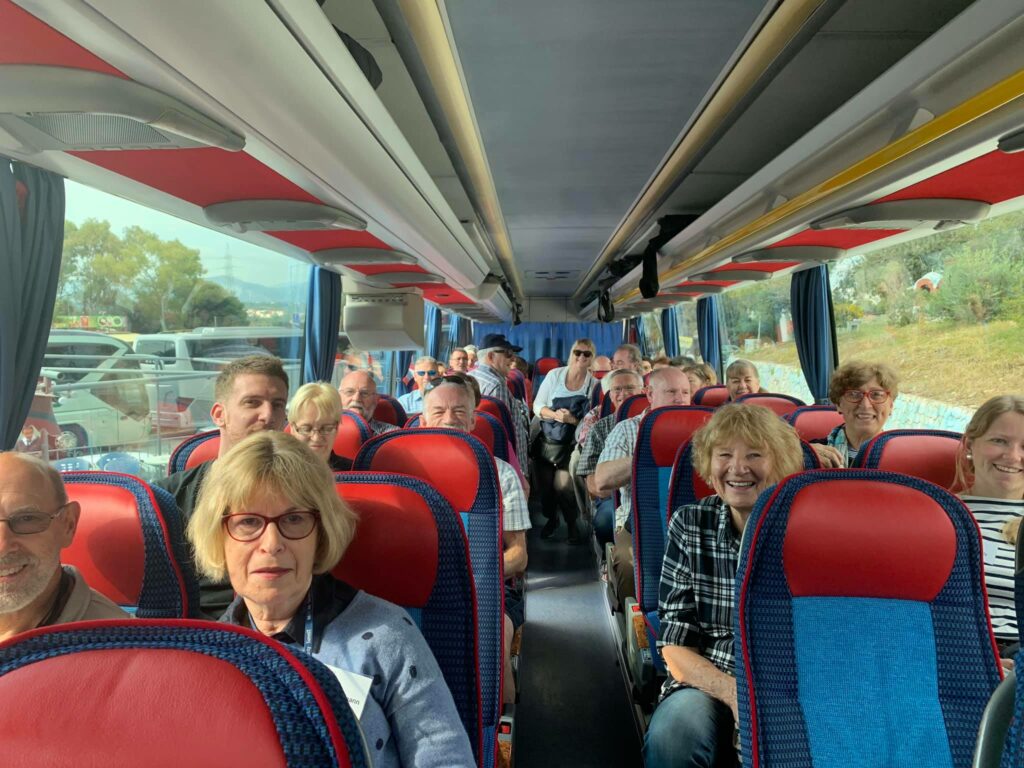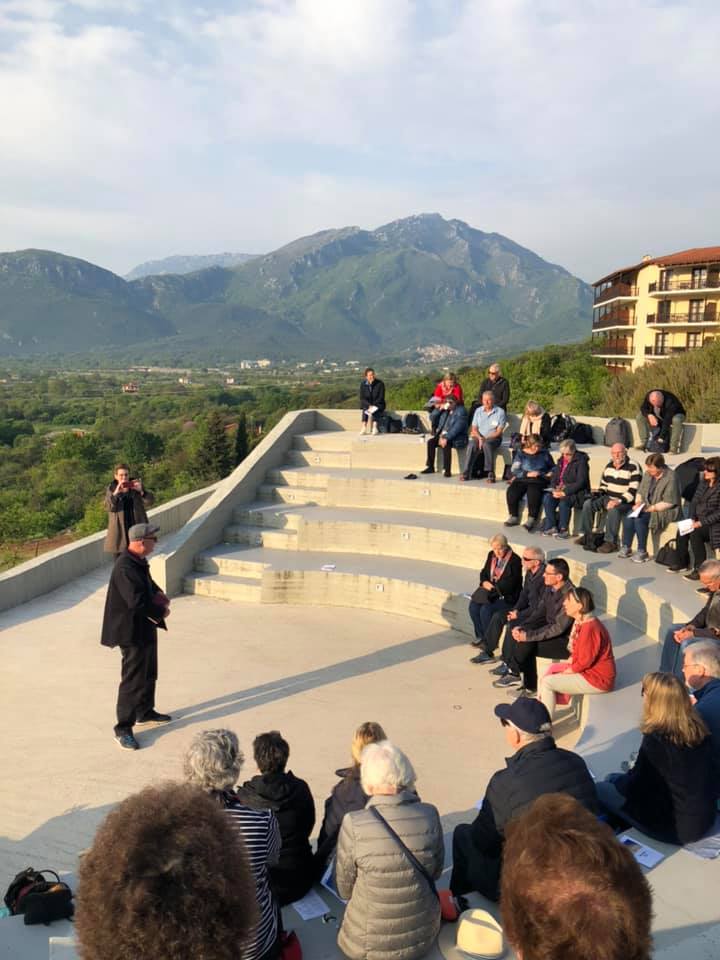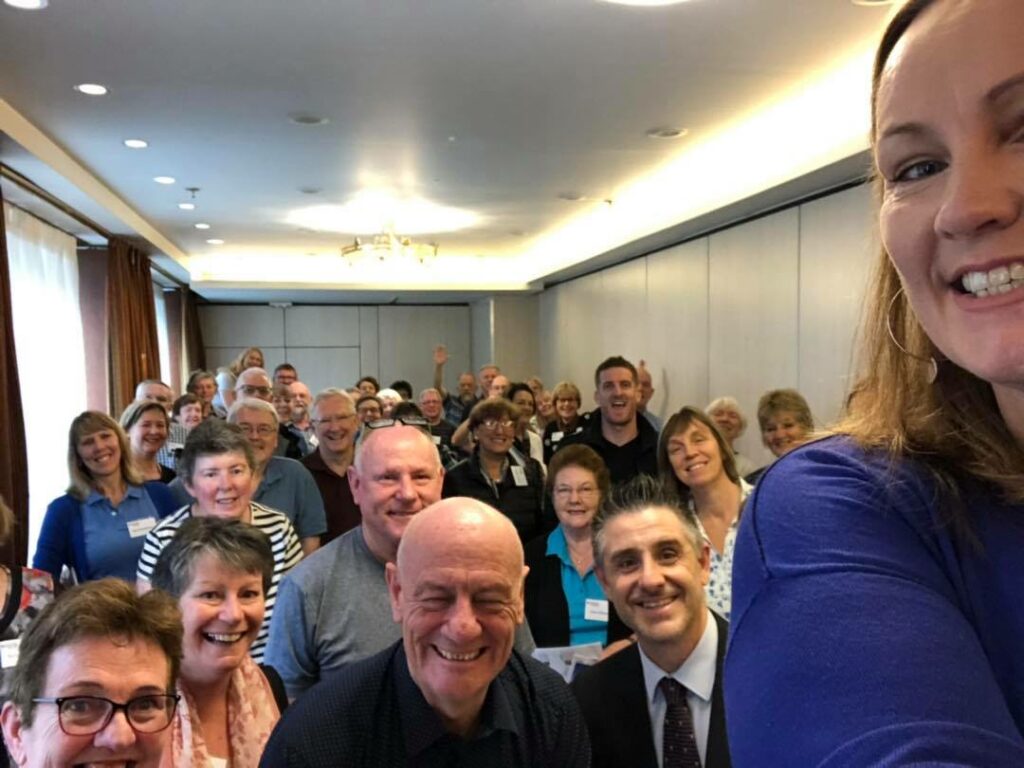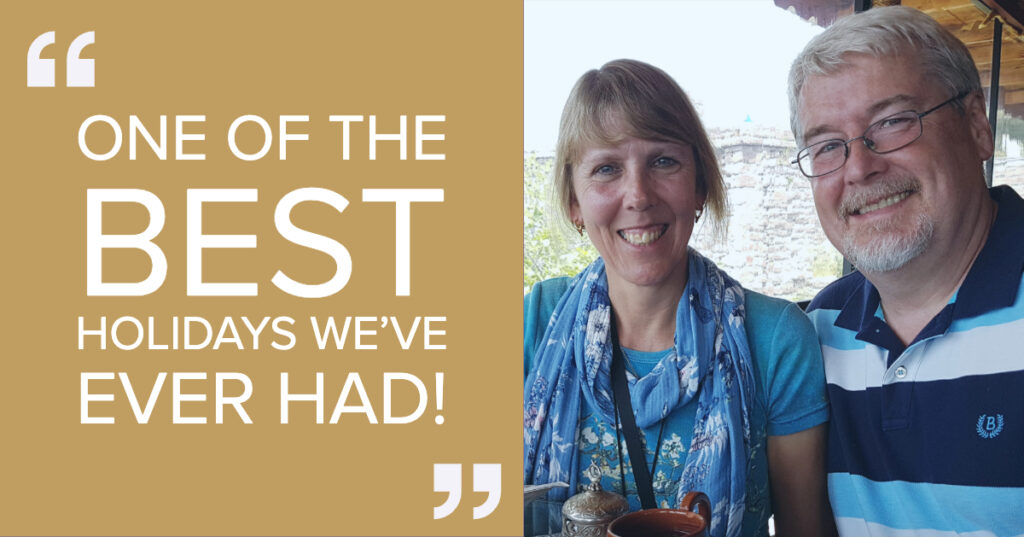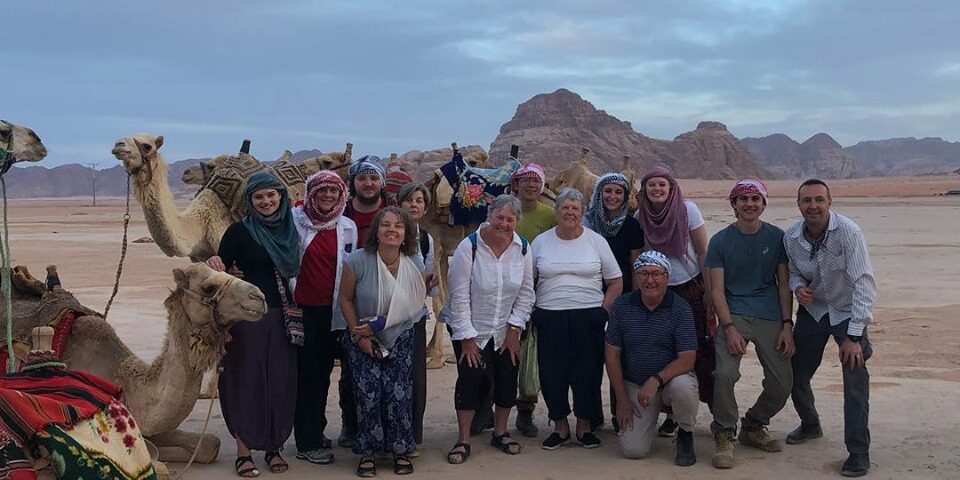
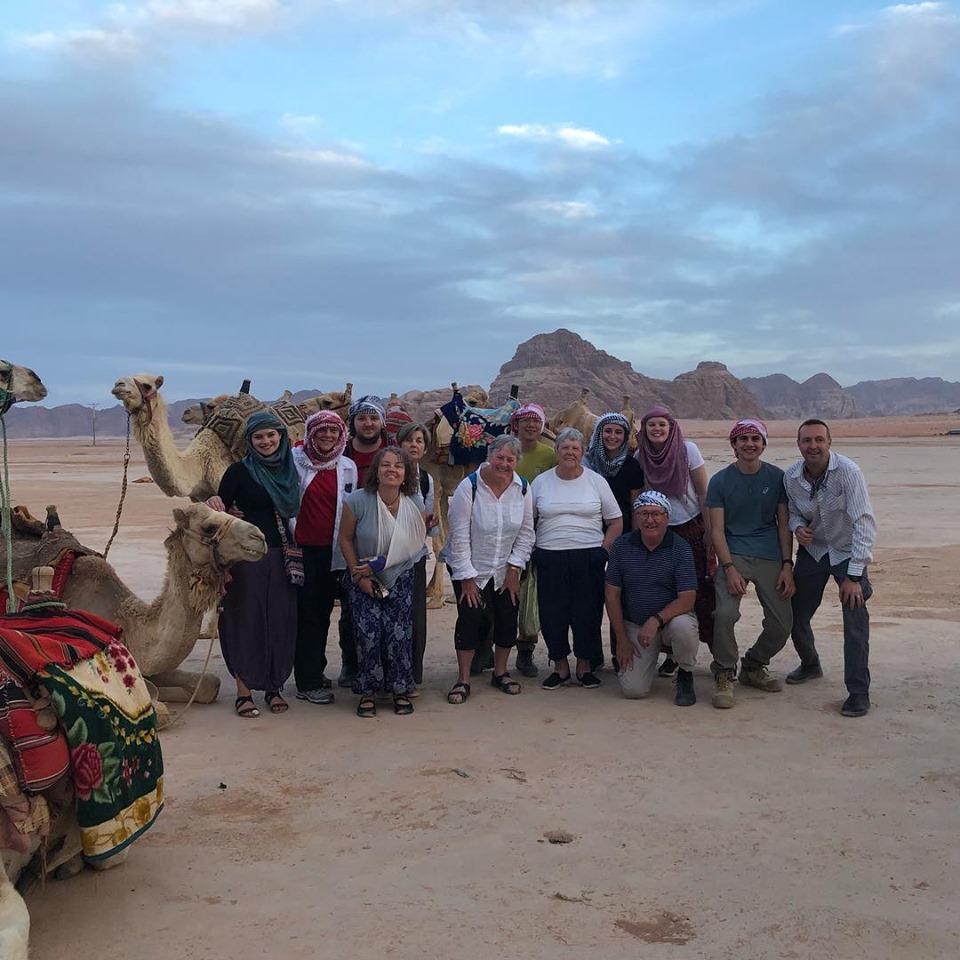
HOPE Tour 2019 was amazing! Our boutique pilgrimage into the Holy Land and Promised Land was wonderful. We had a full team of 14 people and travelled for 23 days. We had several young people on team with the youngest being 19, ranging all the way up to our older team members with the upper age limit being 80. Ben and Helen Betz were the team leaders, as pastors they have been leading mission trips, retreats and discipleship groups for 10 years. It was a combination of a being a discipleship tour, spiritual retreat and pilgrimage all in one.
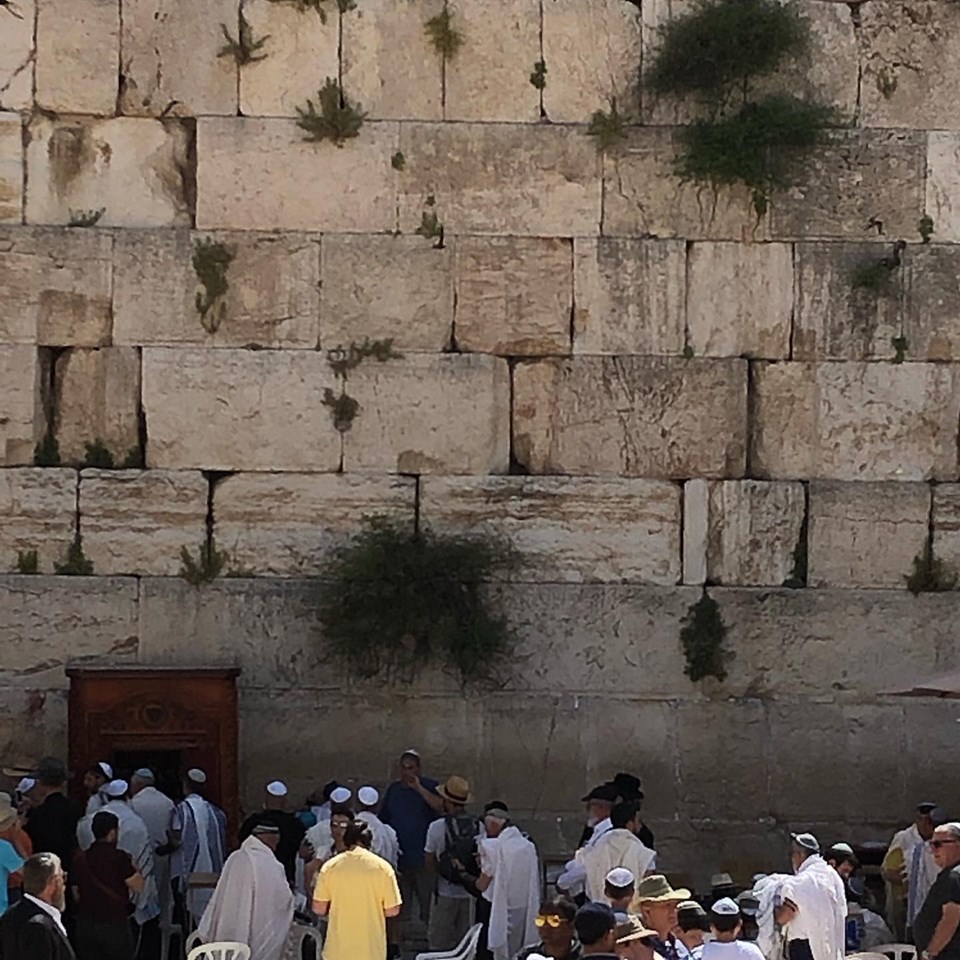
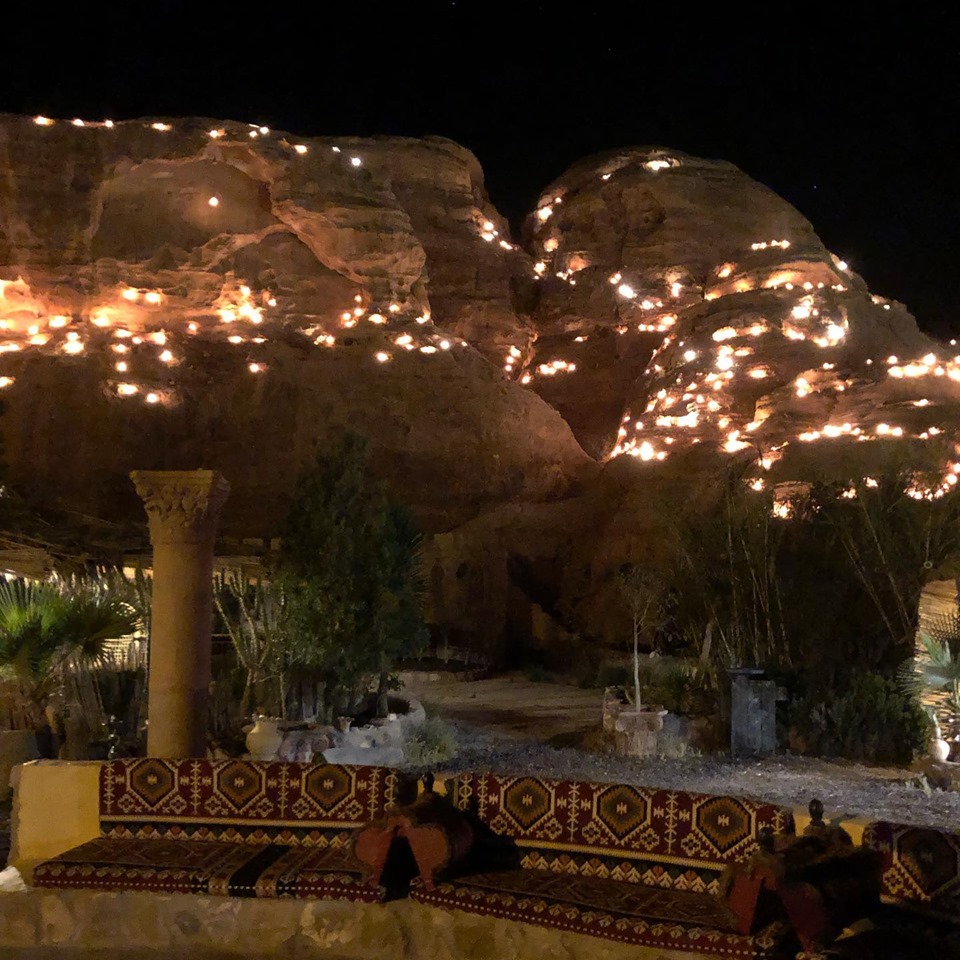
We began in Amman, Jordan and travelled through the desert until we entered the Promised Land. After exploring some Old Testaments stories, we then we retraced the steps and life of Jesus through Israel in a fairly chronological manner. Activities included beautiful worship services, floating in the Dead Sea, riding camels, sailing on the Sea of Galilee and lots of time meditating on God’s Word. The trip was a wonderful God based adventure. Everyone gained a new sensory understanding of the Bible, grew in their faith, had some sweet God encounters and came home encouraged.
Find Your Selah Moment
We have so many exciting tours just like this one.